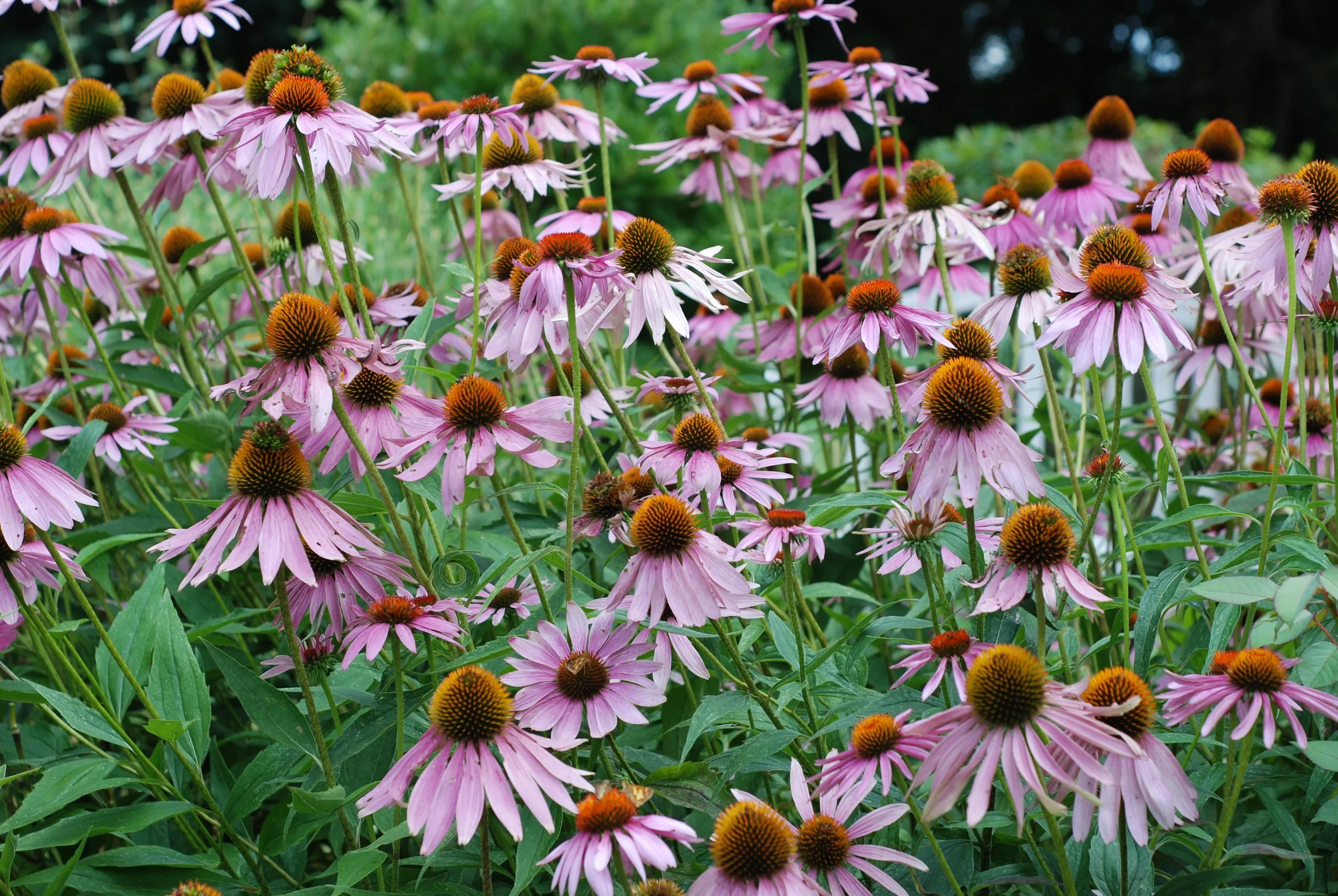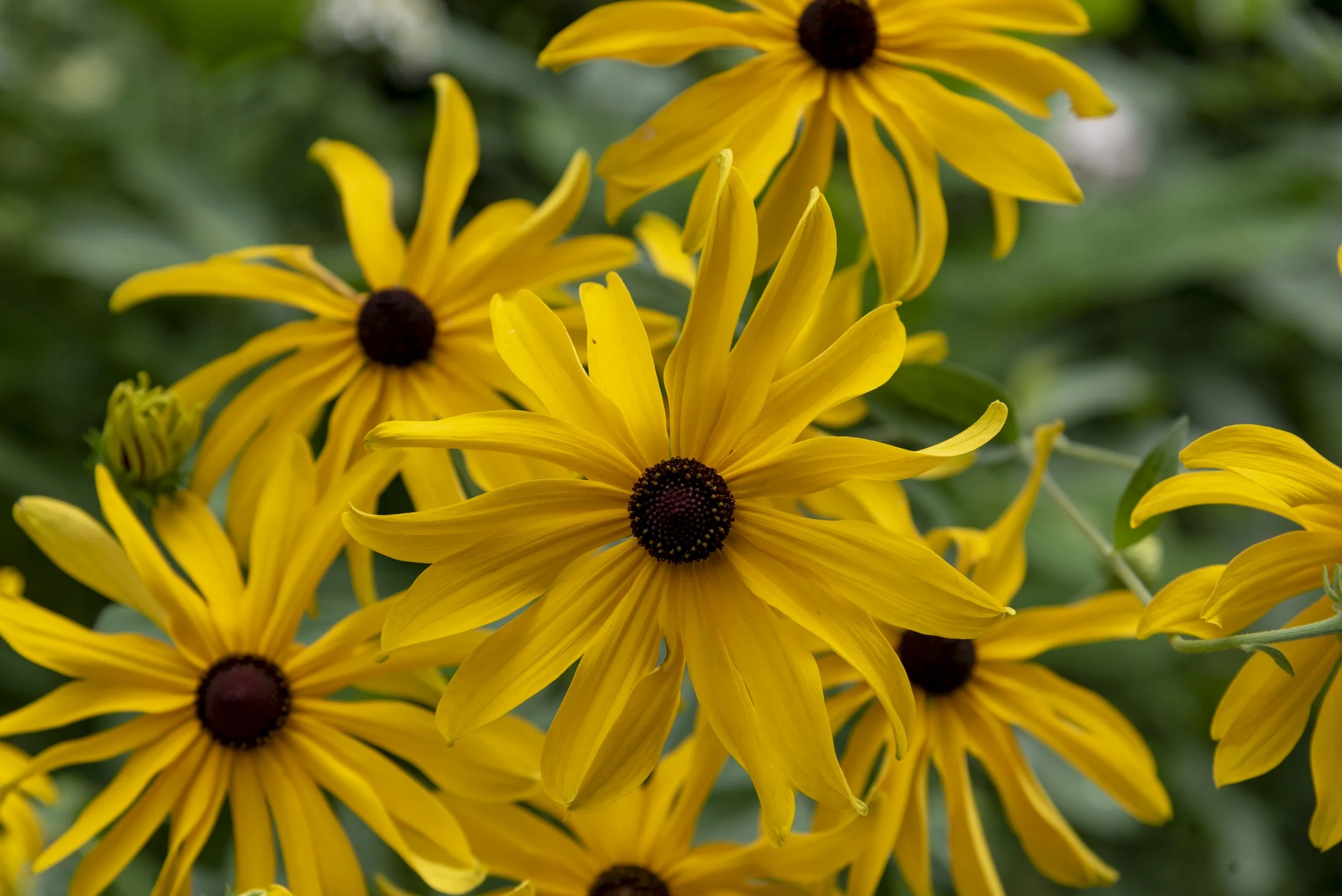
Pale Purple Coneflower
Echinacea pallidaBloom time: June- July
Bloom Color: Pink
Height: 3 ft
Sun exposure: Full/Partial
Soil Moisture: Medium- Dry
Deer resistant: Yes
Other Common Names: Narrow-leaved Coneflower
Germination Code: C90
Fun facts:
This plant has a strong, deep root system which helps prevent soil erosion in areas with dry or sandy soil. Its roots bind the soil together, making it an important plant in prairie restoration projects and stabilizing the land in areas prone to wind and water erosion. Echinacea pallida is known for its ability to self-sow or spread naturally by dropping its seeds. This allows it to gradually expand and form colonies over time, creating large clusters of plants in the wild, which helps in restoring prairies and meadows.
The Native Americans of the Northern Great Plains used this plant as an antidote for snake bikes and other venomous bites or stings. Echinacea as a species had some of the most wide-ranging uses. Such uses included treatments for headaches, toothaches, and distemper in horses.
You may also like…